
The Pigeons of Urban Life: Coexistence and Controversy
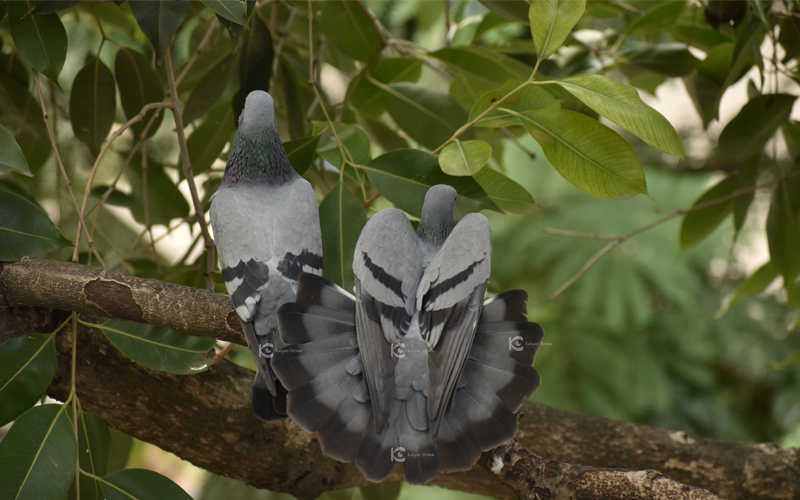
Pigeons are everywhere in our cities—on rooftops, in parks, and along busy sidewalks. These common yet intriguing birds have become an integral part of urban environments worldwide. But while some see them as a charming symbol of city life, others view them as a nuisance. In this blog, we’ll explore the lives of pigeons in cities, their surprising adaptability, and why they evoke such a wide range of reactions from city dwellers.
The Urban Pigeon: A Brief History
The pigeons we see in cities today are descendants of the rock dove, a species native to cliffs and rocky coastlines in Europe, North Africa, and Western Asia. When humans began domesticating pigeons over 5,000 years ago, these birds adapted quickly to urban areas. Originally bred for food, communication (as messenger birds), and even companionship, pigeons have a long history of human interaction. Over time, some domesticated pigeons escaped or were released into the wild, eventually forming the feral populations we see today in cities worldwide.
Why Are Pigeons So Common in Cities?
Pigeons thrive in urban environments for a few key reasons:
- Food Availability: Urban areas provide pigeons with an abundance of food, whether it’s scraps from restaurants, litter from humans, or intentional feeding by residents. This constant food source has allowed pigeons to establish large populations in cities.
- Man-made Structures: City buildings mimic the rocky cliffs where pigeons once nested, offering ledges, rooftops, and bridges as suitable places for shelter and breeding.
- Adaptability: Pigeons are highly adaptable birds, capable of thriving in both rural and urban environments. They can breed year-round, and their ability to live off a wide variety of food has made them especially resilient.
The Charm of Pigeons
For some people, pigeons are a beloved part of urban life. Watching these birds strut confidently across busy streets, cooing gently, and flying gracefully between skyscrapers is a reminder of nature’s resilience amid concrete jungles. Birdwatchers and photographers often appreciate the diversity of colors and patterns in pigeon plumage, ranging from pure white to iridescent greens and purples.
In some cultures, pigeons are symbols of peace, love, and even good fortune. Artists, poets, and musicians have long drawn inspiration from pigeons, capturing their beauty and symbolic meaning in countless works.
The Dark Side: Pigeons as a Nuisance
Not everyone shares a fondness for pigeons. Their large numbers in cities can lead to some negative consequences:
- Health Concerns: Pigeons can carry diseases that may pose risks to humans, such as histoplasmosis, cryptococcosis, and psittacosis. However, it’s worth noting that the actual risk of disease transmission from pigeons to humans is relatively low.
- Damage to Buildings: Pigeon droppings are acidic and can cause damage to building facades, monuments, and vehicles. In cities with historic landmarks, maintaining the beauty of these structures often means investing in pigeon control.
- Noise and Mess: In areas with large pigeon populations, the noise of constant cooing and the sight of droppings can become unpleasant for residents. In response, many cities employ various methods, from netting and spikes to birth control methods, to manage pigeon populations.
Coexistence: Living With Urban Pigeons
Despite the challenges, many people have found ways to coexist peacefully with pigeons. Feeding pigeons is a popular pastime in cities like Venice, London, and New York, though some local governments have begun regulating it to prevent overpopulation.
Moreover, pigeons play an important role in the urban ecosystem. They provide food for predators such as hawks and falcons, and they also serve as environmental indicators. Since pigeons are highly sensitive to changes in their surroundings, their health and behavior can reflect the state of the urban environment.
Conclusion
The pigeons of urban areas are more than just background characters in the daily bustle of city life. They represent both the beauty and the challenges of urban wildlife. Whether you love them or find them a nuisance, pigeons are a reminder of the complex relationship between humans and nature. They thrive where we live, adapting to our ever-changing cities, and in doing so, they bring a touch of wildness to our concrete streets.
So next time you see a pigeon pecking at crumbs or resting on a ledge, take a moment to appreciate these resilient birds and their unique place in urban life. They are, after all, one of the few creatures that have evolved to thrive alongside us in the heart of the city.