
Tiger Safaris in India: Navigating the Ethics of Wildlife Tourism
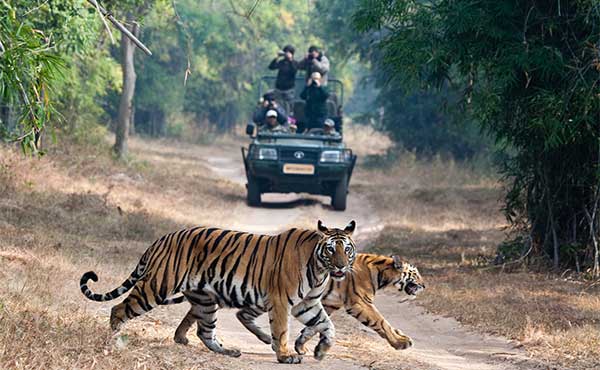
(Image courtesy of Google Images)
India is home to over 70% of the world’s wild tiger population, making it a top destination for tiger safaris. These safaris offer a thrilling opportunity to witness these majestic creatures in their natural habitats, such as Ranthambore, Jim Corbett, Kanha National Park, Bandhavgarh National Parks, etc. However, while tiger safaris can promote awareness and conservation, they also raise ethical concerns. Responsible tourism is essential to ensure that safaris do not harm tigers or their fragile ecosystems.
The Ethical Challenges of Tiger Safaris
- Disruption of Natural Behavior: Tigers are solitary and elusive by nature. Excessive tourist activity, noisy vehicles, and large crowds can disrupt their natural behavior, affecting their hunting patterns and breeding cycles.
- Habitat Degradation: Increased tourism infrastructure—roads, resorts, and vehicles—can lead to habitat degradation. This not only affects tigers but also the other species and ecosystems they depend on.
- Exploitation vs. Conservation: Some safari operators prioritize profit over conservation, encouraging unsustainable practices like overcrowding or approaching tigers too closely, causing stress to the animals.
How to Make Safaris Ethical
- Choose Responsible Operators: Opt for safari operators who follow strict guidelines on vehicle numbers, time spent with animals, and maintaining safe distances. These operators should support conservation and work with local communities.
- Follow Park Rules: Stick to the designated paths, maintain silence, and avoid trying to get too close to the animals. Following park regulations helps minimize human impact on wildlife.
- Support Conservation Efforts: Ensure that the safari fees contribute to tiger conservation and local communities, fostering a positive relationship between people and wildlife.
Conclusion
Tiger safaris in India, when done ethically, can play a crucial role in tiger conservation. By supporting responsible tourism, travelers can help protect these magnificent creatures while ensuring that future generations can also experience the awe of seeing a wild tiger. Ethical tourism is not just about enjoying the moment; it’s about safeguarding the future of one of the planet’s most iconic species.